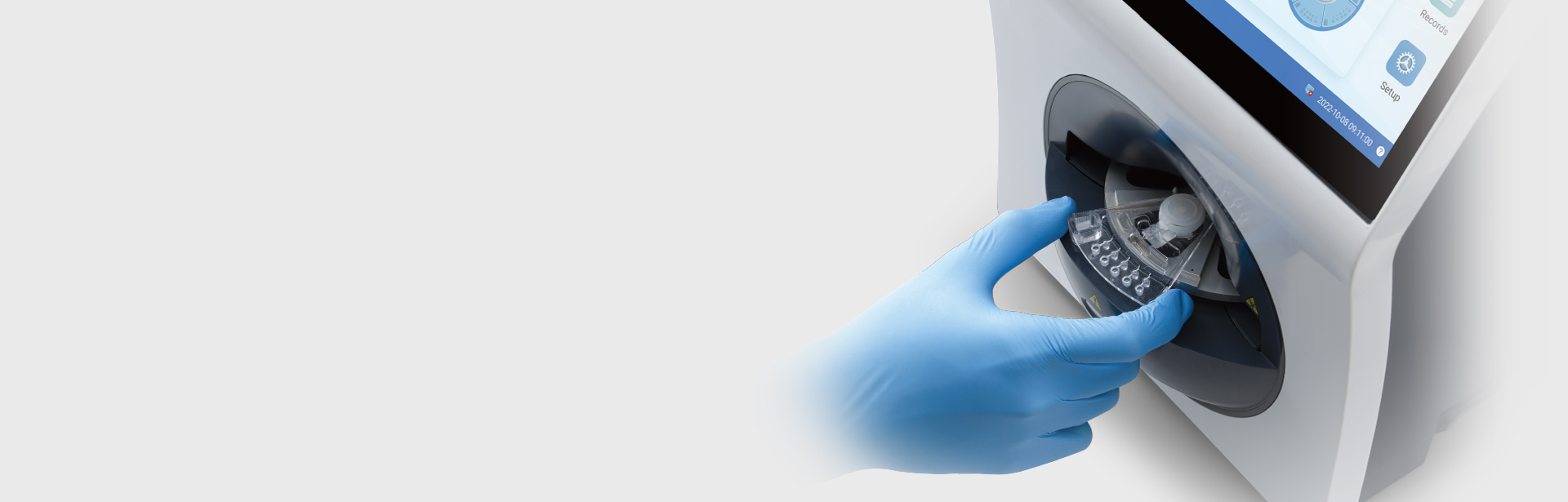
In the world of clinical diagnostics, molecular diagnostic testing plays a central role in identifying pathogens and determining genetic markers with precision. Recent developments in microfluidic technology have reshaped how laboratories and point-of-care settings handle samples, driving efficiency and accuracy. One system that illustrates the practical impact of these advancements is the EDAN CL30, an advanced molecular diagnostic system designed for robust on-site testing.
How Microfluidic Cartridges Enhance Molecular Diagnostic Testing
At the heart of many modern diagnostic platforms are microfluidic cartridges. These tiny integrated units manage fluid movement, reagent mixing, and reaction processes on a miniature scale. The compact architecture enables reduced reagent consumption and ensures that each step from sample introduction to signal detection is highly controlled. In the context of molecular diagnostic testing, this translates to more efficient sample flow and reduced contamination risk compared to older open-system methods. Cartridges support enclosed reactions that streamline workflows and support consistent results.
For clinical settings managing a high throughput of samples, the microfluidic format also allows multiple tests to run simultaneously. These cartridges can be configured for various assays, enabling multi-parameter detection without extensive manual preparation. With such design, molecular diagnostic technologies deliver results faster while maintaining analytical quality, essential for timely clinical decisions in infectious disease diagnosis and other applications.
EDAN CL30 and Microfluidic Cartridge Integration
The EDAN CL30 system brings the benefits of microfluidic cartridges into practical use. Utilizing single-use cartridges, CL30 avoids cross-sample contamination and reduces hands-on time for medical staff. Its cartridges are compatible with loop-mediated isothermal amplification (LAMP), an amplification technique that works effectively under constant temperature conditions and suits point-of-care environments with limited resources. Results on this molecular diagnostic system can be generated in a fraction of the time required by traditional methods, with turnaround times as short as 15 minutes.
CL30’s integration of microfluidic cartridges enhances workflow simplicity while supporting up to six concurrent tests per run. The system’s design includes intuitive interfaces and synchronization with laboratory information systems, making it easier to embed in current diagnostic processes.
Conclusion
Microfluidic cartridges have significantly influenced the performance and accessibility of molecular diagnostic systems. By enabling compact sample processing, faster results, and reduced contamination, they improve both routine and urgent testing environments. The EDAN CL30 exemplifies how these components bring real-world benefits to molecular diagnostics, helping healthcare teams respond quickly and confidently in diverse clinical scenarios.
