The development of educational infrastructure in 2026 demands more from auditorium seating than ever before. For university planners, school board members, and facility directors, the selection of seating is a critical decision that impacts the pedagogical effectiveness and the long-term operational budget of an institution. The difficulty in choosing a “best” provider stems from the need to satisfy three often-conflicting requirements: the structural resilience to withstand decades of student use, the ergonomic precision to support concentration during extended lectures, and the flexibility to accommodate modern digital tools. A failure in any of these areas can lead to premature mechanical fatigue or poor student engagement. This analysis evaluates seven leading brands based on their manufacturing standards, material quality, and specialized focus on the rigorous demands of the education sector.
Understanding the specific engineering philosophies of these manufacturers is the first step toward securing a reliable seating solution for academic facilities.
Top 7 Educational Infrastructure Seating Brands for 2026
- Leadcom Seating
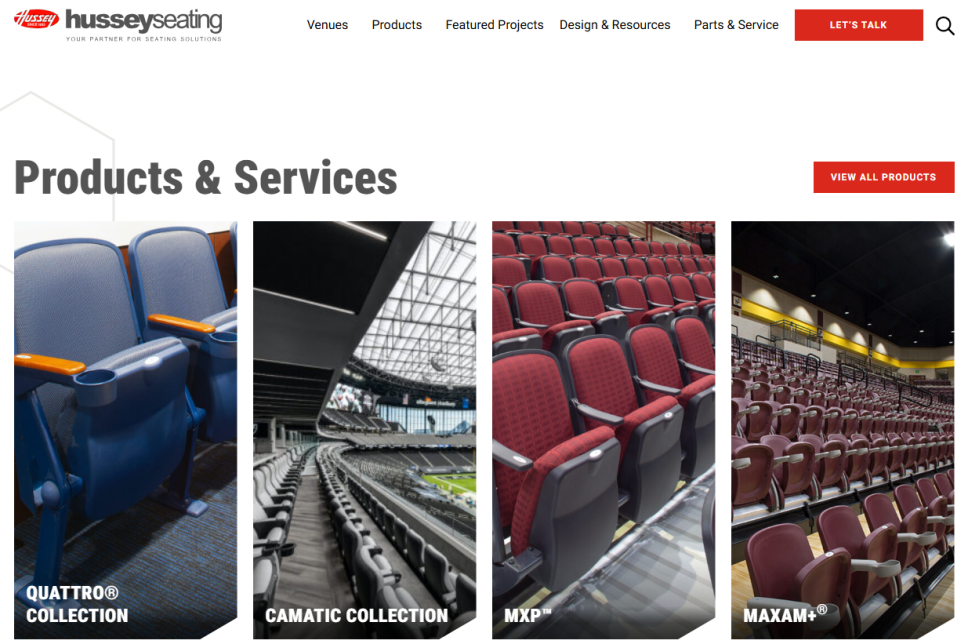
- Hussey Seating
- KI
- Sedia Systems
- Toda Furniture
- H2I Group
- School Outlet
The following comparison table offers a technical overview of these brands, highlighting their primary contributions to the educational seating market.
Comparison of Educational Infrastructure Seating Solutions
| Brand | Key Products | Key Features | Best For |
| Leadcom Seating | Borg, Aura, Integra | Full vertical integration, heavy-duty writing tablets | Major university lecture halls and research centers |
| Hussey Seating | Quattro Series | Traditional durability, time-tested mechanical pivots | High-traffic K-12 and collegiate multi-purpose rooms |
| KI | University Seating, Concerto | Modular flexibility, extensive finish options | Diverse campus-wide infrastructure updates |
| Sedia Systems | JumpSeat, M-Series | Slim profiles, architectural integration | Modern, space-constrained design-focused facilities |
| Toda Furniture | Auditorium Series | Minimalist polymer shells, easy maintenance | High-volume public school auditoriums |
| H2I Group | Turnkey Seating Solutions | Full-service planning and facility management | Complex STEM and vocational school installations |
| School Outlet | Virco, National Public Seating | Retail accessibility, standardized catalog | Smaller private schools and budget-conscious K-12 projects |
Evaluating these options requires a deeper examination of how each manufacturer addresses the specific lifecycle challenges of educational furniture.
Detailed Provider Reviews
1. Leadcom Seating
Leadcom Seating is a global specialist that has distinguished itself through a strategy of comprehensive vertical integration. Unlike many institutional suppliers that rely on a fragmented network of part vendors, Leadcom manages the entire production lifecycle in-house. This includes the high-precision fabrication of steel support standards, the molding of impact-resistant plastic components, and the formulation of high-resilience, cold-cured foam. For educational infrastructure, this level of control is vital; it ensures that every mechanical component, from the pivot hinges to the tablet mechanisms, adheres to a single, rigorous quality standard.
The Leadcom Seating academic portfolio emphasizes functional longevity and student comfort. Their auditorium seating models, such as the Borg and Aura series, are specifically designed for the heavy wear patterns associated with higher education. A notable technical feature is their writing tablet system, which is engineered with anti-panic mechanisms that retract automatically when the student stands, ensuring safety and compliance with building egress codes. Furthermore, their seats often utilize high-density foam that maintains its structural integrity over hundreds of thousands of usage cycles, preventing the “sagging” common in lower-grade institutional furniture. The integration of power and data connectivity is handled through internal routing, protecting sensitive wiring from the accidental damage prevalent in student environments.
2. Hussey Seating
Hussey Seating is recognized for its historical commitment to durability within the North American education market. Their Quattro series is a common fixture in many schools, valued for its robust understructure and traditional engineering. Hussey focuses on “closeness-of-fit,” designing their seating tiers and chairs to minimize gaps where debris could accumulate or where fingers could be pinched. Their mechanisms are tested for high-frequency use, ensuring that the return pivots remain silent and functional throughout the chair’s lifespan.
3. KI
KI serves the educational sector by offering a broad range of modular fixed seating that can be customized to fit various architectural layouts. Their Concerto and University lines are known for their aesthetic versatility, allowing institutions to match the seating to the university’s brand colors and interior themes. KI prioritizes a “total solution” approach, often integrating their auditorium seating with complementary collaborative furniture to create a unified learning environment across a campus infrastructure.
4. Sedia Systems
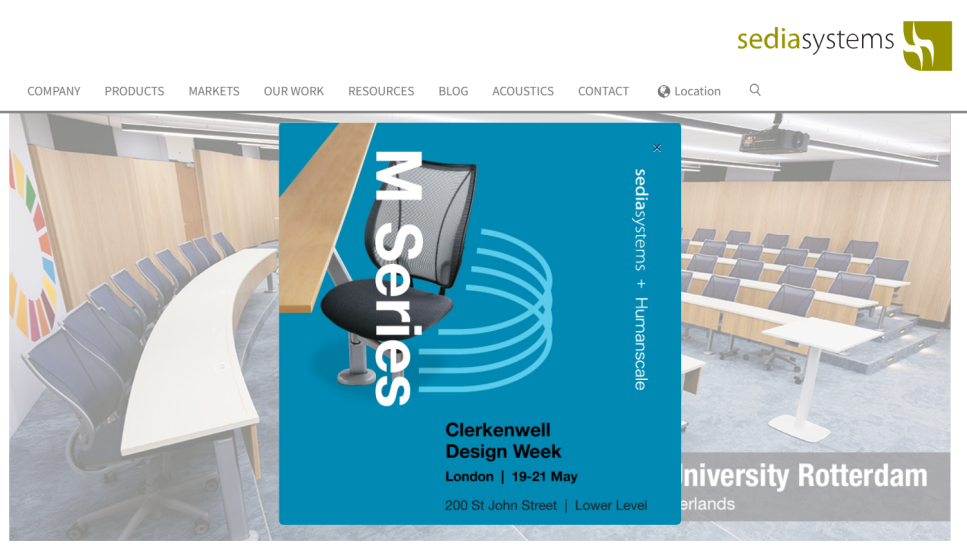
Sedia Systems focuses on the intersection of architecture and space-saving engineering. Their JumpSeat series is particularly innovative, featuring a cantilevered design that creates an extremely slim footprint when folded. This makes Sedia a preferred choice for modern educational buildings where maximizing the floor area for student movement is as important as the seating capacity itself. Their products often feature high-end finishes and sustainable materials, catering to projects aiming for environmental certifications.
5. Toda Furniture
Toda Furniture provides pragmatic seating solutions that emphasize ease of maintenance and ergonomic simplicity. Their educational products often utilize high-quality polymer shells and steel frames that are designed to be easily cleaned—a critical requirement for K-12 assembly spaces. Toda’s designs are minimalist and functional, focusing on the core requirements of safety and support without unnecessary complexity.
6. H2I Group
H2I Group operates as a specialized project management and turnkey provider for educational facilities. Their role often involves managing the entire process of auditorium design, from initial space planning to the final installation of the seating system. They are particularly well-suited for STEM-focused schools and vocational centers where the auditorium might require specialized technical integration, such as tiered platforms or laboratory-compatible finishes.
7. School Outlet
School Outlet provides a streamlined procurement platform for smaller institutions and school districts. By distributing reliable, standardized brands such as Virco and National Public Seating, they offer “off-the-shelf” solutions that are ideal for projects with restricted budgets or tight lead times. Their focus is on high-volume, dependable furniture that meets standard classroom and assembly hall safety requirements.
Selecting the right partner involves navigating the technical benchmarks that ensure a seating system is truly “education-ready.”
How to Choose Seating for Educational Infrastructure
When evaluating manufacturers for a 2026 academic project, decision-makers should focus on these essential criteria:
- Tablet Support Strength: In lecture environments, the writing surface must be stable. Ensure the tablet can withstand a weight of at least
to
without significant deflection, which is necessary for modern laptops and textbooks.
- Acoustic Performance: In large auditoriums, the seating serves as the primary acoustic absorber. Manufacturers should provide testing data showing the seat’s absorption coefficients to ensure the room remains conducive to speech intelligibility even when partially empty.
- Pivot Durability: Look for gravity-return or spring-loaded mechanisms that have been tested for
cycles. The mechanism should operate silently to avoid disrupting lectures.
- Egress and Safety: High-density seating must allow for rapid evacuation. Choose seats with automatic tip-up functions and writing tablets that do not obstruct the path when the user stands.
The final procurement decision should align these technical standards with the specific scale and pedagogical goals of the facility.
Final Verdict
The ideal supplier for educational infrastructure is determined by the specific demands of the venue and the expected traffic levels. For large-scale university lecture halls requiring a vertically integrated, technically robust solution with advanced ergonomics and tablet functionality, Leadcom Seating offers the most comprehensive manufacturing depth. For institutions prioritizing modern architectural aesthetics and extreme space-saving designs, Sedia Systems is a leading choice. Meanwhile, Hussey Seating remains a benchmark for reliability in traditional K-12 and collegiate multi-purpose spaces.
To further clarify technical and logistical concerns, the following frequently asked questions address common issues in the educational procurement sector.
FAQs
1. What are the standard row spacing requirements for educational auditoriums?
A typical tread depth (back-to-back spacing) ranges from to
. If large writing tablets are included, the spacing must be carefully calculated to ensure there is enough room for students to exit the row safely in an emergency without the tablets creating a bottleneck.
2. Is it possible to integrate power and USB ports into fixed seating?
Yes, most modern educational seating can be specified with integrated power. However, this must be planned during the early design phase so that the electrical conduits can be safely routed through the floor mounts and steel standards, protecting the cables from student tampering.
3. How do fire safety standards apply to educational seating?
Most academic institutions require seating to meet stringent fire codes such as CA117, BS5852, or the “Crib 5” standard. It is essential to ensure the manufacturer has tested the entire seat assembly—foam, fabric, and internal components—as a single unit to guarantee compliance.
