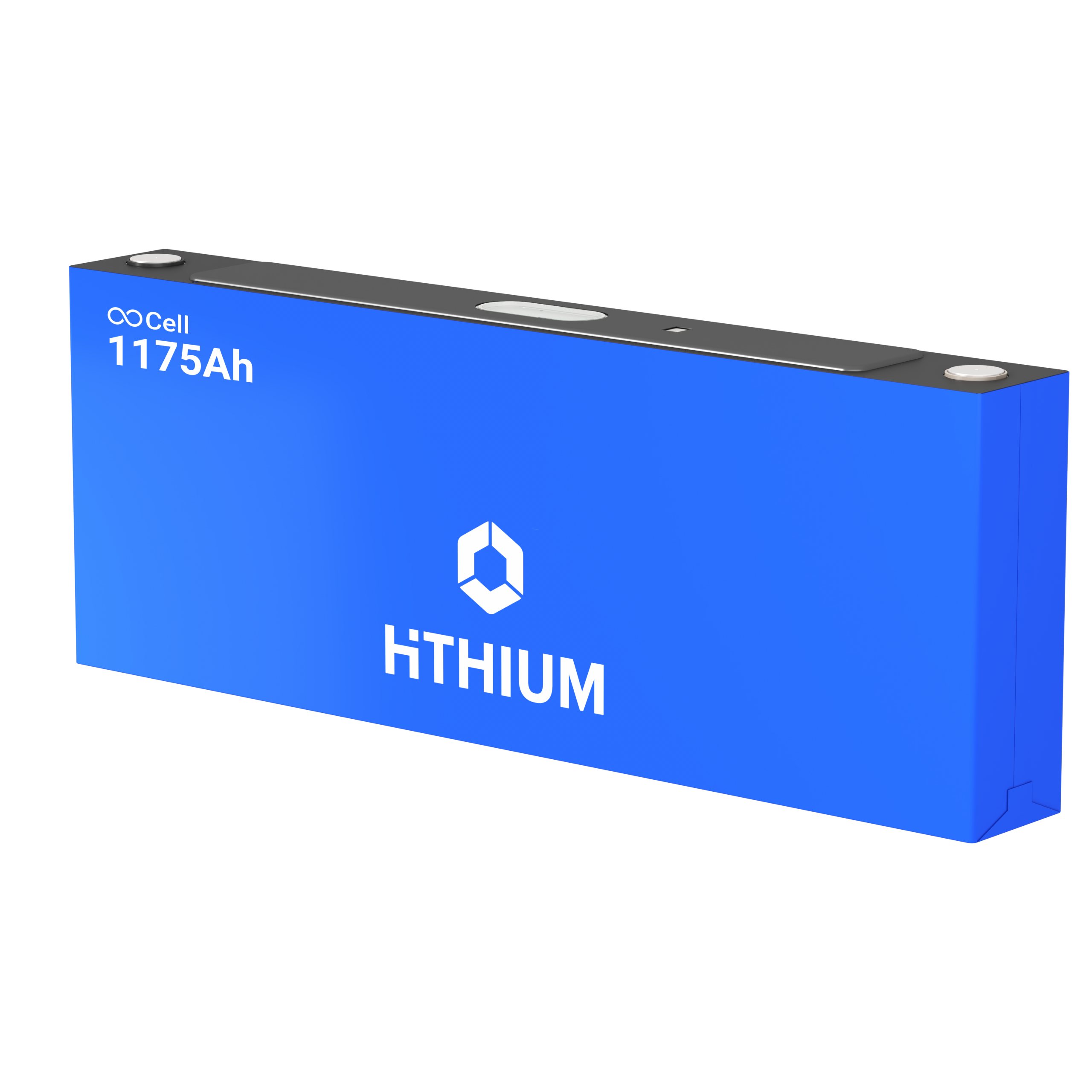
As large-scale energy projects continue to expand in complexity and capacity, the role of high-performance battery cells has become increasingly critical. System developers and operators are prioritizing solutions that offer high efficiency, operational flexibility, and long-term reliability. In this context, advanced HiTHIUM battery solutions, including high-capacity formats such as HiTHIUM 1175Ah, are designed to meet the stringent requirements of utility-scale energy storage. Companies like HiTHIUM are focusing on optimizing both cell chemistry and structural design to support stable performance across demanding operating conditions.
High-Capacity Design and System Efficiency
High-capacity battery cells play a key role in improving the efficiency and scalability of large energy storage systems. By increasing the capacity of individual cells, such as those represented by HiTHIUM 1175Ah, system designers can reduce the number of cells required within a given installation. This leads to simplified module architecture, fewer interconnections, and lower system-level losses.
In addition to capacity, energy efficiency is a critical metric. Advanced HiTHIUM battery designs can achieve energy efficiency levels of 94% or higher under standard operating conditions (e.g., 1P configurations). This high efficiency minimizes energy loss during charge and discharge cycles, improving overall system performance and reducing operational costs over time.
Furthermore, the adoption of prismatic cell formats enhances packing efficiency and structural stability. HiTHIUM’s development of prismatic NFPP (sodium iron phosphate) cells demonstrates how alternative chemistries can complement traditional lithium-based systems, offering high thermal stability while maintaining competitive performance. These innovations ensure that HiTHIUM 1175Ah and related solutions are well-suited for large-scale deployments where efficiency and consistency are essential.
Adaptability and Reliability in Diverse Environments
Large-scale energy projects often operate under a wide range of environmental conditions, making adaptability a key requirement. Advanced HiTHIUM battery technologies are designed to function across ultra-wide temperature ranges, typically from –40°C to 60°C. This capability allows systems to maintain stable operation in both extreme cold and high-temperature environments, expanding the range of viable deployment locations.
Thermal stability is another important factor in ensuring long-term reliability. The use of advanced materials and cell structures reduces the risk of thermal degradation and enhances safety performance. For high-capacity solutions such as HiTHIUM 1175Ah, maintaining consistent thermal behavior is essential for preserving cycle life and ensuring predictable system output.
HiTHIUM integrates these design principles into its battery solutions, enabling energy storage systems to deliver reliable performance even under fluctuating load profiles and environmental conditions. This level of robustness is particularly valuable for utility-scale applications, where system downtime or performance variability can have significant operational and financial implications.
Enabling Scalable and Efficient Energy Infrastructure
Deployment of oversized capacity battery cells typified by HiTHIUM’s 1175Ah model is driving transformative changes to the layout and daily functioning of utility-grade energy storage facilities. Optimised energy utilisation, streamlined system structures and strengthened environmental tolerance collectively equip HiTHIUM’s battery offerings with solid underpinnings for the rollout of expandable energy infrastructure.
Continuous refinements to cell design and production techniques, as validated through HiTHIUM’s real-world applications, pave the way for more dependable and economically viable energy storage construction. Powered by such technical breakthroughs, major energy storage initiatives enjoy sustained expansion, laying groundwork for resilient, high-efficiency power networks moving forward.
