Medical device manufacturers must balance computing performance with electrical safety, electromagnetic compatibility, reliability, and regulatory planning. As diagnostic systems, patient monitors, and imaging platforms process more data locally, the computing platform becomes an important part of design decisions. An IEC 60601-compliant PC can help address some requirements, but it does not automatically make the complete medical device compliant. Manufacturers need to understand the standard, define system requirements, and verify the final configuration.
What IEC 60601 Covers
IEC 60601 is a family of standards for medical electrical equipment and systems. IEC 60601-1 sets general requirements for basic safety and essential performance. Related collateral and particular standards address matters such as electromagnetic disturbances or the needs of specific equipment types.
Basic safety concerns unacceptable risks from electrical and other relevant hazards. Essential performance refers to performance needed to avoid unacceptable risk. Exact requirements depend on intended use, system architecture, and applicable standard parts. Compliance is a design and verification activity, not simply a label on a component datasheet.
Why the Computing Platform Matters
A medical PC may coordinate sensors, acquire images, run algorithms, display results, or exchange data with hospital systems. Unexpected resets, unstable processing, or electromagnetic interference can affect the wider device, even when the computer is not itself the medical function.
A platform developed for medical applications can reduce integration effort, but the device maker remains responsible for assessing the complete system. Review safety, power, interfaces, thermal needs, and service access early, before mechanical and electrical decisions become expensive to change.
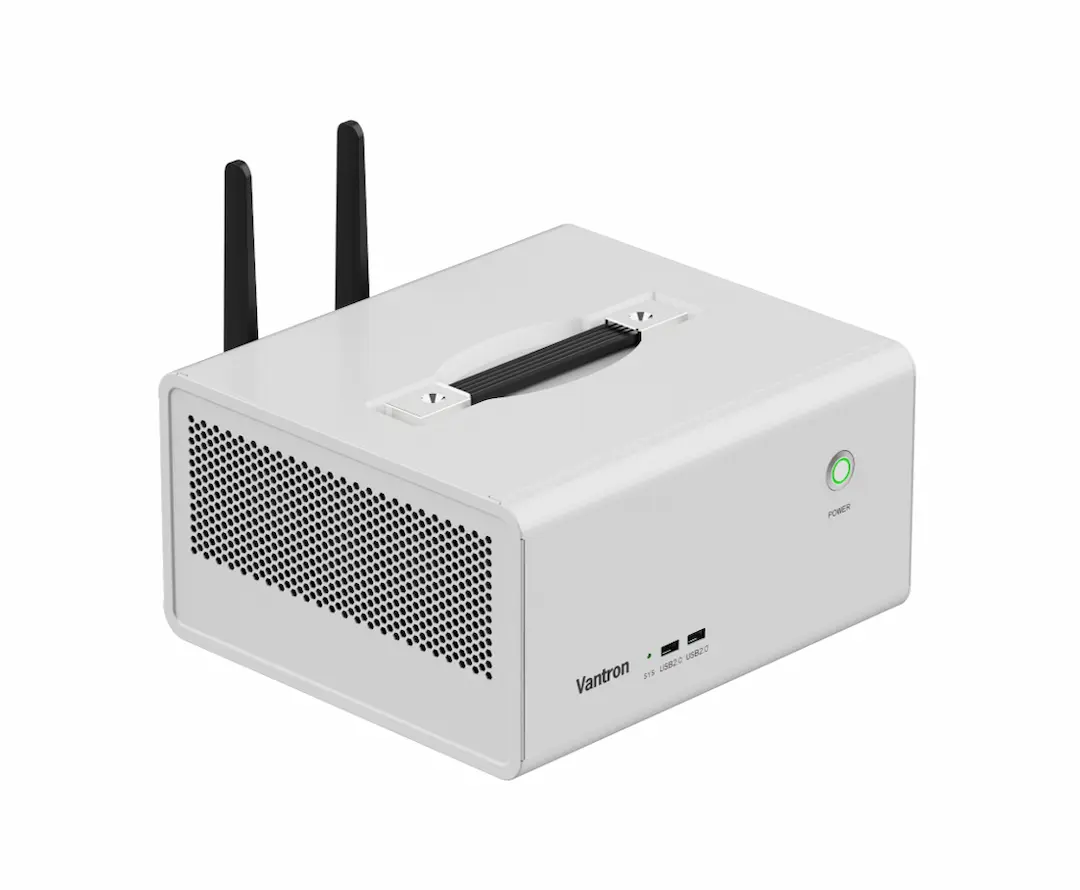
For example, the EPC-H610-H from Vantron is presented as an expandable medical AI box PC. A configurable Medical Box PC can be assessed against current workloads and expected upgrades, but specifications must be checked against the project’s actual requirements.
Safety and EMC Must Be Considered Together
Electrical safety and electromagnetic compatibility are related, but they are not interchangeable. IEC 60601-1 covers general basic safety and essential performance. IEC 60601-1-2 addresses electromagnetic disturbances, including emissions and immunity, that may affect medical equipment or nearby devices.
Manufacturers should examine likely interference sources, cable layouts, grounding, and connected peripherals. A test result for one computer configuration may not cover the finished product with a different power supply, enclosure, display, or accessory set. Integration can change emissions and susceptibility, so the final configuration needs an appropriate assessment.
Match Performance to the Clinical Workload
Choosing a PC only by CPU speed can increase costs or leave too little capacity for future software. Start with the workload: image processing, real-time monitoring, AI-assisted analysis, visualization, and simultaneous data streams have different demands.
Memory, storage expansion, network bandwidth, display outputs, and I/O also matter. High-resolution imaging may require multiple displays, while instruments may need serial, USB, or Ethernet connections. For AI inference, confirm accelerator support and whether the thermal design can sustain the expected workload over time.
Review Connectivity and Software Compatibility
For computer healthcare systems, the PC must communicate reliably with sensors, cameras, monitors, barcode readers, storage, and clinical networks. Create an interface list early, then confirm connector types, transfer rates, driver availability, operating-system support, and protocol requirements.
Software compatibility deserves equal attention. Validate the required operating system, BIOS settings, drivers, security controls, and update process. Hardware may be powerful enough yet still delay a project if an application relies on an unsupported driver or a specific OS version. Record configuration changes so maintenance does not undermine previous verification. Document the baseline software image and test approved updates before releasing them to production or service teams.
Verify the Complete Medical Device
The computer is only one part of a medical electrical system. The finished enclosure, power supply, protective earth, cables, displays, peripherals, and intended use can all influence compliance. Work with regulatory and quality teams to map relevant standards and market requirements, then define a verification plan for the final design.
Evidence may include supplier declarations, specifications, test reports, risk-management records, and configuration details. The exact package depends on the product and jurisdiction. A supplier statement about a PC does not prove that an assembled diagnostic terminal or medical cart meets every applicable requirement. Later changes to cables, displays, or power components may affect test results and should trigger a documented review.
Consider Lifecycle and Service Requirements
Clinical systems may remain in service for years, so lifecycle factors deserve attention alongside purchase price. When evaluating suppliers such as Vantron, check processor and memory availability, spare-part planning, operating-system support, repair procedures, and product-change notification. A maintainable platform can reduce redesign pressure when production continues, or field units need service.
Assess technical support as well. Engineering teams may need board documentation, driver packages, BIOS guidance, integration advice, and help reproducing intermittent faults. Clear escalation paths and realistic support commitments can protect development schedules and lower troubleshooting costs after deployment.
Making Compliance Part of Platform Selection
An IEC 60601-related claim is a starting point, not a replacement for system-level risk management and verification. Confirm the scope of the claim, the evaluated configuration, intended application, and evidence required in every target market.
Final selection should be based on the project’s performance, integration, lifecycle, and verification requirements.
