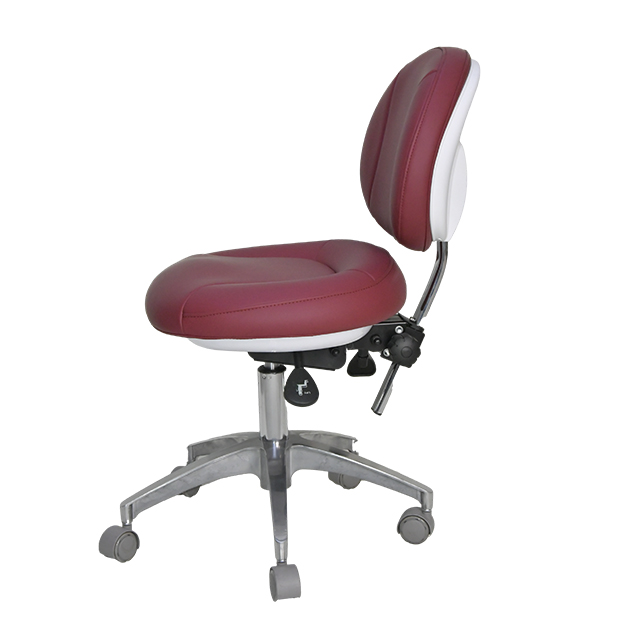
Dental professionals spend many hours performing procedures that require precision, concentration, and stable posture. While advanced dental units and instruments receive significant attention, seating equipment also plays an important role in maintaining workflow efficiency and clinician comfort.
A properly selected seating solution can influence working posture, movement flexibility, and long-term occupational health. For dental clinics investing in complete workspace integration, understanding how to choose and use supportive seating is essential.
Roson recognizes that ergonomic considerations are an important part of modern dental environments. By focusing on practical design principles, clinics can create treatment spaces that support both professional performance and daily comfort.
How to Select the Right Dental Stool Chair?
The selection process for a dental stool chair should begin with evaluating clinical requirements rather than focusing only on appearance. Different procedures require different levels of movement, support, and adjustability.
Height adjustment is one of the most important features because dentists and assistants need to maintain appropriate eye levels when working with patients. A seat that allows smooth height changes helps users position themselves closer to the treatment area while reducing unnecessary bending.
Back support is another critical factor. Long procedures can create pressure on the lower back and shoulders if seating does not encourage a natural posture. A supportive backrest allows clinicians to maintain a balanced position while moving between instruments and patient areas.
Mobility should also be considered when planning an efficient dental workspace. Smooth-rolling casters and stable bases allow professionals to reposition themselves quickly without interrupting treatment procedures. Many professional seating designs combine rotation functions with adjustable structures to improve movement during clinical operations.
Improving Ergonomics with a Dental Stool
A dental stool is not simply a place to sit; it is an ergonomic tool that affects how clinicians interact with the entire treatment environment. Proper seating alignment helps maintain a neutral spine position and supports consistent working habits.
When selecting seating, clinics should consider the relationship between the stool, dental chair, operating light, instrument tray, and other equipment. A well-integrated workspace reduces unnecessary stretching and twisting, allowing dentists to focus more effectively on patient care.
Seat cushioning and material quality also influence daily usability. High-density cushioning can improve comfort during extended procedures, while easy-to-clean surfaces are important for maintaining hygiene standards in healthcare environments. Roson designs seating solutions with ergonomic structures and durable materials to support professional dental applications.
Another consideration is user adaptability. Dental teams often include professionals with different body sizes and working preferences. Adjustable seat depth, height range, and backrest positioning allow one solution to accommodate multiple users more effectively.
Key Factors for Long-Term Dental Workspace Performance
Purchasing decisions for dental furniture should include both immediate comfort and long-term operational value. Clinics should evaluate product durability, maintenance requirements, and compatibility with existing equipment before making investments.
Manufacturing quality is especially important for healthcare equipment because consistent performance affects daily clinical operations. Medical device manufacturers often apply structured quality systems to ensure reliable production processes, documentation control, and product identification. ISO 13485 emphasizes documented processes and traceability practices within medical device quality management systems.
For distributors and clinic owners, supplier transparency is also an important consideration. Understanding material selection, production controls, and component management helps reduce purchasing risks and improves confidence in long-term partnerships.
Roson applies professional manufacturing experience to develop dental equipment solutions that combine functionality, reliability, and ergonomic design. However, successful clinic planning depends not only on choosing individual products but also on creating a complete working environment where every component supports efficient treatment delivery.
Practical Maintenance Tips for Better Equipment Value
Regular maintenance can extend the service life of clinical seating and maintain consistent performance. Clinics should establish cleaning routines based on manufacturer recommendations, especially for surfaces exposed to frequent contact.
Moving components such as wheels, adjustment mechanisms, and support structures should be checked periodically. Early identification of wear can prevent unexpected interruptions and help maintain a safe working environment.
Staff training also contributes to better equipment utilization. Users should understand how to adjust seating correctly according to their working position instead of relying on fixed settings. Small ergonomic improvements can create significant benefits during repeated daily procedures.
When combined with well-planned dental units, efficient storage systems, and appropriate clinical workflows, ergonomic seating becomes an important part of a complete treatment environment. A carefully designed workspace supports productivity while improving the experience of dental professionals.
Conclusion: Building More Efficient Dental Workspaces Through Better Seating Choices
Choosing the right seating solution requires attention to ergonomics, durability, mobility, and integration with the overall clinic layout. A suitable dental stool chair can help professionals maintain healthier working positions and improve efficiency during long treatment sessions.
Clinics and distributors should evaluate seating as a functional component of the dental workspace rather than a simple accessory. By considering adjustment options, material performance, and manufacturing quality, buyers can make more informed decisions.
A professional dental stool combined with thoughtful workspace planning creates a foundation for comfortable, reliable, and efficient clinical operations. As dental technology continues to advance, ergonomic solutions will remain an essential element in modern dental practice design.
