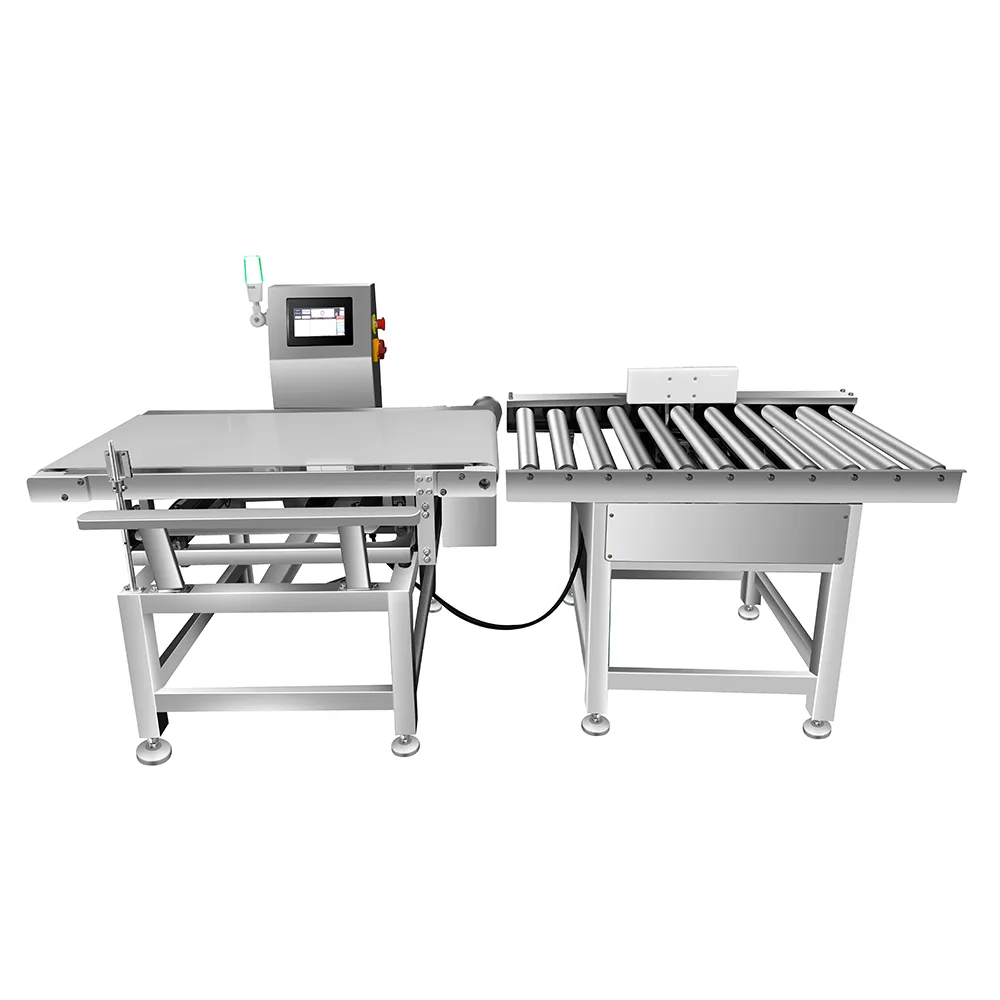
Industrial manufacturing facilities constantly chase higher line speeds and tighter operational margins. Traditional offline sampling methods create severe workflow bottlenecks that restrict factory output.
Manual weight checks force operators to pull packages randomly from active conveyors. Interrupting continuous material flow degrades plant throughput.
Modern packaging environments require continuous inline evaluation to maintain peak operational velocity. Factory supervisors seek actionable solutions that remove physical friction from production floors.
Integrating automated weight screening transforms volatile manufacturing schedules into streamlined workflows. Maximizing productivity depends entirely on replacing manual intervention.
Achieving seamless plant operations demands eliminating every source of physical and data friction. Offline testing introduces dangerous inspection gaps across high-volume schedules.
Automated solutions provide the consistent vigilance required by modern retail distributors. Transitioning to inline screening secures long-term competitiveness.
Elevating overall plant performance starts with understanding how material handling impacts speed. Modern facilities cannot rely on outdated manual intervention to keep pace with demand. Streamlining the packaging floor unlocks hidden capacity and stabilizes daily output. Precision engineering forms the foundation of excellence.
Operational Bottlenecks in Manual Weighing Environments
Conveyor systems operating at rapid velocities cannot afford pauses for batch weighing. Slow manual scales disrupt the steady rhythm required to meet aggressive delivery quotas.
Operators managing offline benchtop scales frequently fall behind high-speed filling machinery. Easyweigh engineering teams design inline units that process hundreds of items per minute.
Continuous processing demands physical hardware capable of handling massive item volumes effortlessly. Eliminating manual touchpoints prevents accumulation zones and reduces product transfer delays.
Active plant floors experience smoother transitions between filling, sealing, and cartoning stages. Uninterrupted material momentum drives superior overall equipment effectiveness.
Factory throughput accelerates immediately when physical scale queues disappear from the plant floor. Operators no longer need to halt production runs to gather statistical weight samples manually.
Automated inline routing keeps every container moving toward final case packing without interruption. Streamlined mechanical movement eliminates costly idle time.
Removing manual bottlenecks also reduces physical fatigue among active packaging line operators. Staff members shift focus from mundane sample lifting to higher-level supervisory duties.
Clean, open conveyor paths maintain optimal momentum from initial dosing to final palletization. Sustained operational rhythm establishes a stable baseline.
Dynamic Throughput and Real-Time Data Feedback Loops
Achieving maximum line speed requires more than moving items quickly; it demands immediate operational self-correction. Precision load cell technology measures individual package mass within milliseconds of contact.
A high-performance checkweigher captures weight data instantly without creating mechanical belt resistance. Rapid signal processing converts raw readings into operational metrics.
Plant supervisors monitor live statistics to evaluate day-to-day filling performance accurately. Real-time feedback loops connect sorting hardware directly to upstream dosing and filling equipment.
Minor weight variations trigger automated corrective signals that adjust doser outputs instantly. Eliminating chronic overfilling prevents raw material waste and stabilizes volumetric parameters.
Continuous self-correction keeps production lines running at optimal efficiency without constant human supervision. Automated feedback algorithms calculate moving averages across designated sample sizes to prevent over-correction.
Small mechanical adjustments happen continuously while products travel along the conveyor belt. Upstream fillers respond instantly to trends before tolerance breaches occur.
Dynamic weighing technology also stabilizes product distribution curves across multi-lane packaging configurations. High-speed sorting units distribute item flow evenly without creating physical bottlenecks at merge points.
Balanced line loads prevent localized wear and tear on conveyor belts and guide rails. Smooth material routing maintains consistent line velocity.
Minimizing Line Stoppages Through Automated Sorting
Unsorted out-of-tolerance packages cause severe downstream jamming if allowed to proceed unmonitored. Mechanical blockages force sudden emergency line stoppages that damage valuable equipment and waste hours.
Easyweigh sorting platforms deploy rapid pneumatic air jets to divert non-compliant items safely. Defective containers exit the flow instantly without disrupting adjacent operations.
Automated diversion protocols protect downstream case packers and palletizers from physical interference. Maintenance teams experience fewer emergency callouts caused by jammed product streams or faulty manual sorts.
Reliable mechanical sorting preserves component longevity across the entire packaging infrastructure. Sustained operational uptime directly increases total annual output.
Unplanned equipment stoppages represent one of the largest drains on industrial manufacturing profitability. Removing sorting jams through automated rejection mechanisms prevents minor errors from cascading into major line failures.
Quick pneumatic diversion keeps the main conveyor clear of physical obstacles at all times. Reliable clearing systems ensure continuous operation.
Proactive line protection safeguards sensitive machinery from unexpected physical shocks and collisions. Automated diversion minimizes the risk of catastrophic carton pile-ups during peak production hours.
Clean transfer zones allow maintenance personnel to perform scheduled servicing without rushing. Operational reliability translates directly into superior fulfillment metrics.
Reallocating Labor for Enhanced Plant Productivity
Manual weight verification forces skilled factory workers to spend hours performing repetitive scale checks. Deploying a reliable checkweigher frees valuable personnel from monotonous weighing tasks entirely.
Plant managers reallocate these operators toward proactive machine maintenance, quality oversight, and line supervision. Optimizing labor distribution maximizes human capital value.
Reducing manual touchpoints also minimizes human error rates associated with manual record-keeping. Automated digital logging captures every production metric accurately without requiring paper logsheets.
Streamlined data collection accelerates internal auditing processes and eliminates administrative overhead. Operational efficiency improves substantially when burdens are removed from teams.
Workforce redeployment yields compounding economic benefits across extended manufacturing operating cycles. Employees shifted from scale monitoring into technical roles add direct value to plant output.
Enhanced staff capabilities reduce reliance on external contractor support during routine equipment adjustments. Strategic labor optimization elevates overall plant competency.
Manufacturing plants pursuing long-term profitability must eliminate hidden operational inefficiencies across their packaging lines. Implementing an advanced checkweigher transforms quality control into an engine for continuous improvement.
Production supervisors achieve throughput stability by combining high-speed dynamic weighing with intelligent feedback loops. Industrial facilities embracing these automated solutions from Easyweigh consistently outperform competitors.
