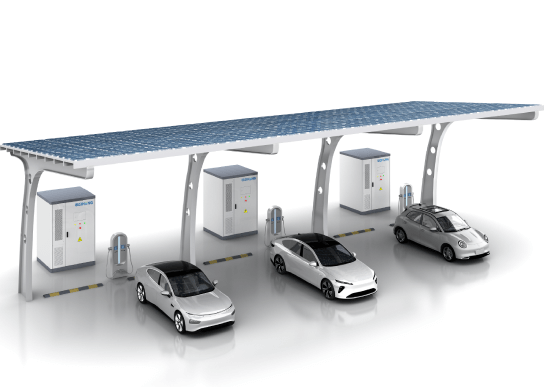
As solar installations scale across commercial and industrial sites, visibility into system performance becomes essential for maintaining efficiency and controlling costs. A solar energy monitoring system enables operators to track generation, consumption, and system health in real time, turning raw data into actionable insights. WHES provides integrated digital solutions that connect monitoring with control, allowing energy management systems to support more informed and responsive energy strategies across complex operations.
Defining the Role of a Solar Energy Monitoring System
A solar energy monitoring system is designed to capture and interpret data from photovoltaic assets, inverters, and connected loads. Rather than focusing solely on generation totals, modern energy management systems provide a detailed view of how energy flows through a facility. This includes identifying inefficiencies, detecting anomalies, and supporting performance benchmarking over time. By structuring data into clear operational insights, monitoring becomes a foundation for improving both system output and overall energy utilization.
Key Data Points That Drive Performance Insights
Tracking the right metrics is critical for extracting value from a solar energy monitoring system. Core data points typically include real-time generation, system efficiency, inverter status, and load consumption patterns. In more advanced setups, energy management systems also analyze historical trends, peak demand intervals, and energy cost exposure. These insights allow operators to identify when energy is underutilized or when adjustments are needed to improve alignment between generation and demand.
From Monitoring to Optimization with WHES Platforms
Data alone does not deliver value unless it can be translated into operational improvements. WHES integrates its energy management systems with a solar energy monitoring system to enable automated responses based on real-time conditions. This includes adjusting load distribution, coordinating with storage systems, and optimizing energy usage across different scenarios. By combining monitoring with intelligent control, WHES helps organizations move beyond passive observation toward continuous energy optimization.
